AI adaptive learning · Sumeru Tech
SchoolExl / TrainExl
An AI learning platform with voice conversations and streaming tutoring, live with about 1,000 learners in India and Jamaica. I architected the frontend, the layer that connects it to language models, and a design system that four products now share.
- role
- Software Engineer Lead · frontend and LLM-integration architecture
- organisation
- Sumeru Tech
- period
- Jun 2025 – present
- ~1,000
learners live across India and Jamaica
source: CV, Sumeru Tech
- 4
products reusing the design system
source: CV (Full-Stack & AI), Sumeru Tech
The problem
In an adaptive learning product, the model's answer is only half the work; the rest is how it becomes an interface. Responses stream in, voice has to take turns, and state has to stay coherent while a learner moves between lessons, assessments and the school portal, in more than one language.
What I built
I architected the React and Next.js (TypeScript) frontend and the integration layer between it and the language models: streaming responses, conversation state, and interfaces that change with what the learner is doing.
Voice-based learning, including multilingual voice conversations, runs on the same layer, alongside assessment workflows and the school portal.
I worked closely with the AI and backend engineers on data flow, response handling and model-to-UI communication, maintained the CI/CD workflow, and set frontend standards and design consistency across the suite.
The component work became a design system that is now reused across four products.
SchoolExl launched publicly in October 2025, an initiative of The Art of Living and Sumeru Edu Tech. The launch coverage states an aim of reaching more than 100,000 children across 1,327+ free schools in 22 states; the ~1,000 learners below is the live deployment I can vouch for.
Learner. Types, speaks or answers an assessment item.
Diagrams are simplified from the work described above. Node colours: model, code, external service, person or result.
Screens
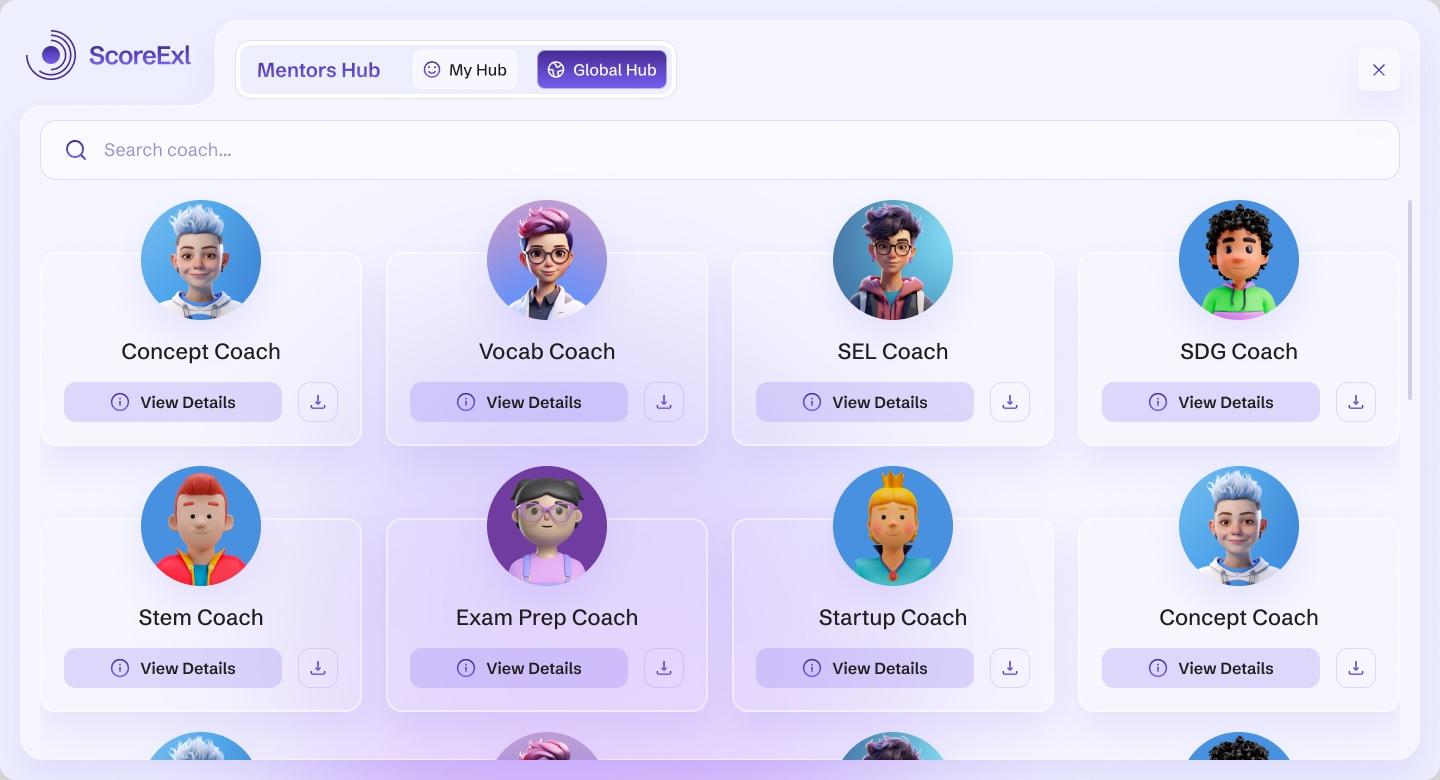
Mentors Hub (design)The Mentors Hub design: a searchable library of AI subject coaches (Concept, Vocab, SEL, SDG, STEM, Exam Prep, Startup), each with details and a save action, alongside a personal 'My Hub'. 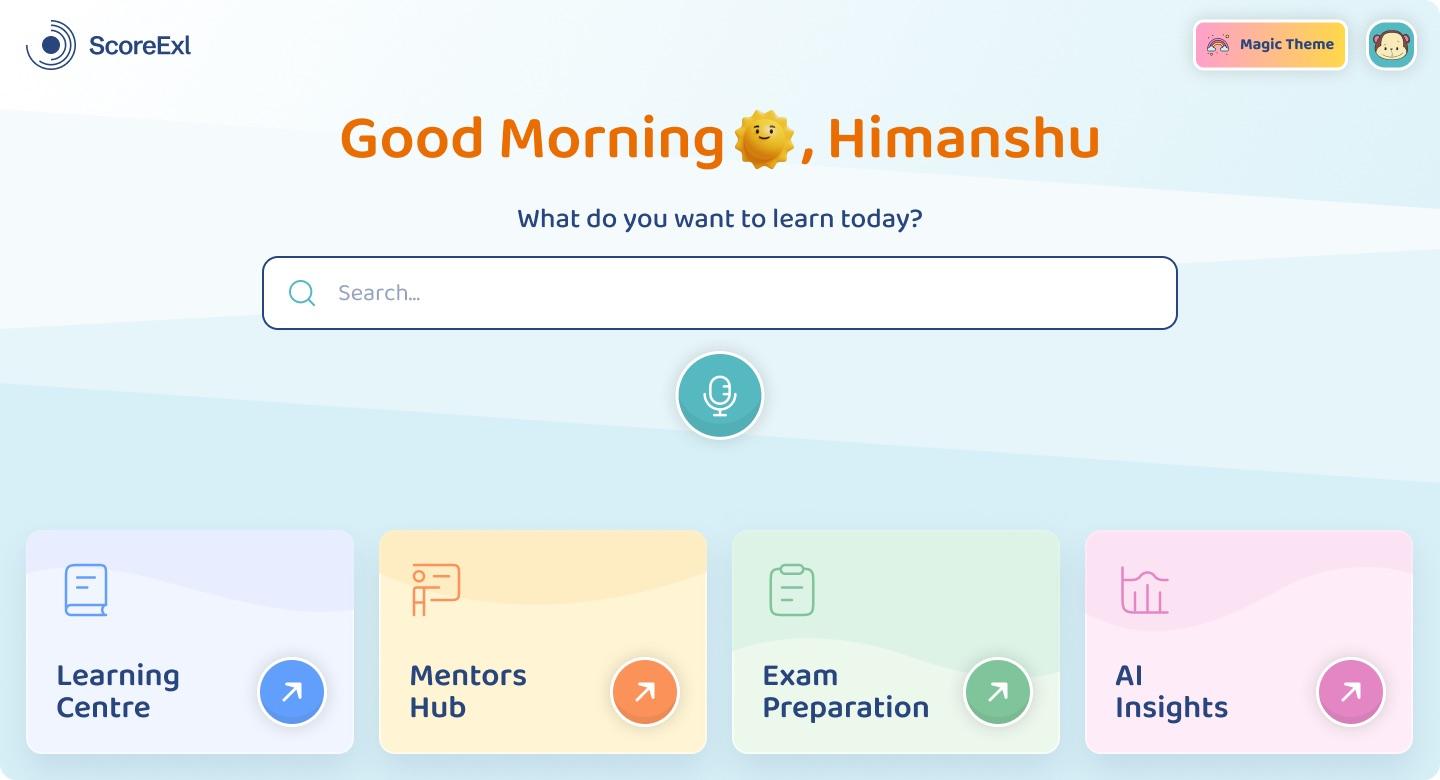
Student homeThe student home: search with voice input, and four modules (Learning Centre, Mentors Hub, Exam Preparation, AI Insights). 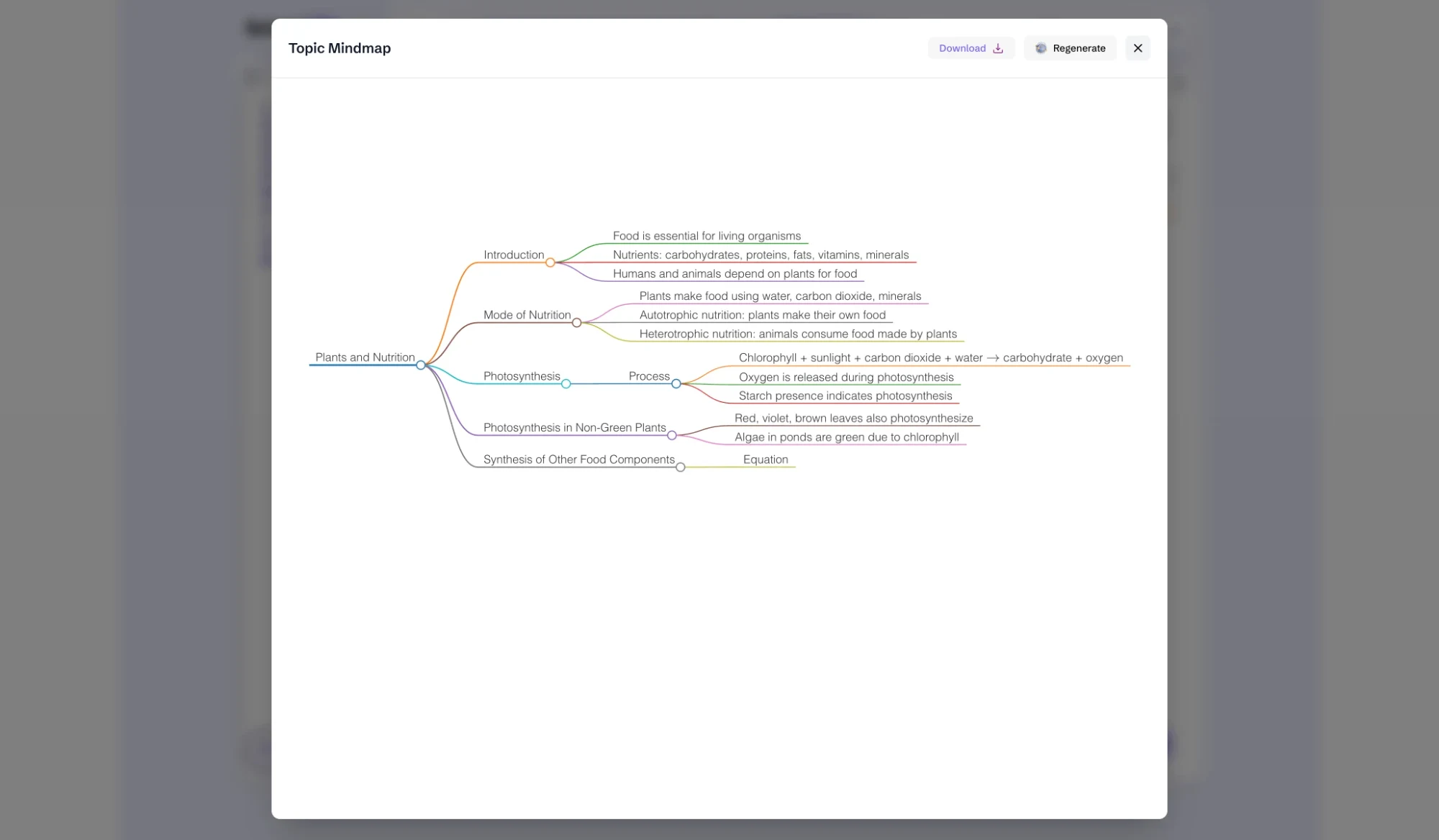
Concept mind mapAn AI breaks a topic down and the frontend lays it out as an interactive, colour-coded mind map: structured knowledge as data visualisation. 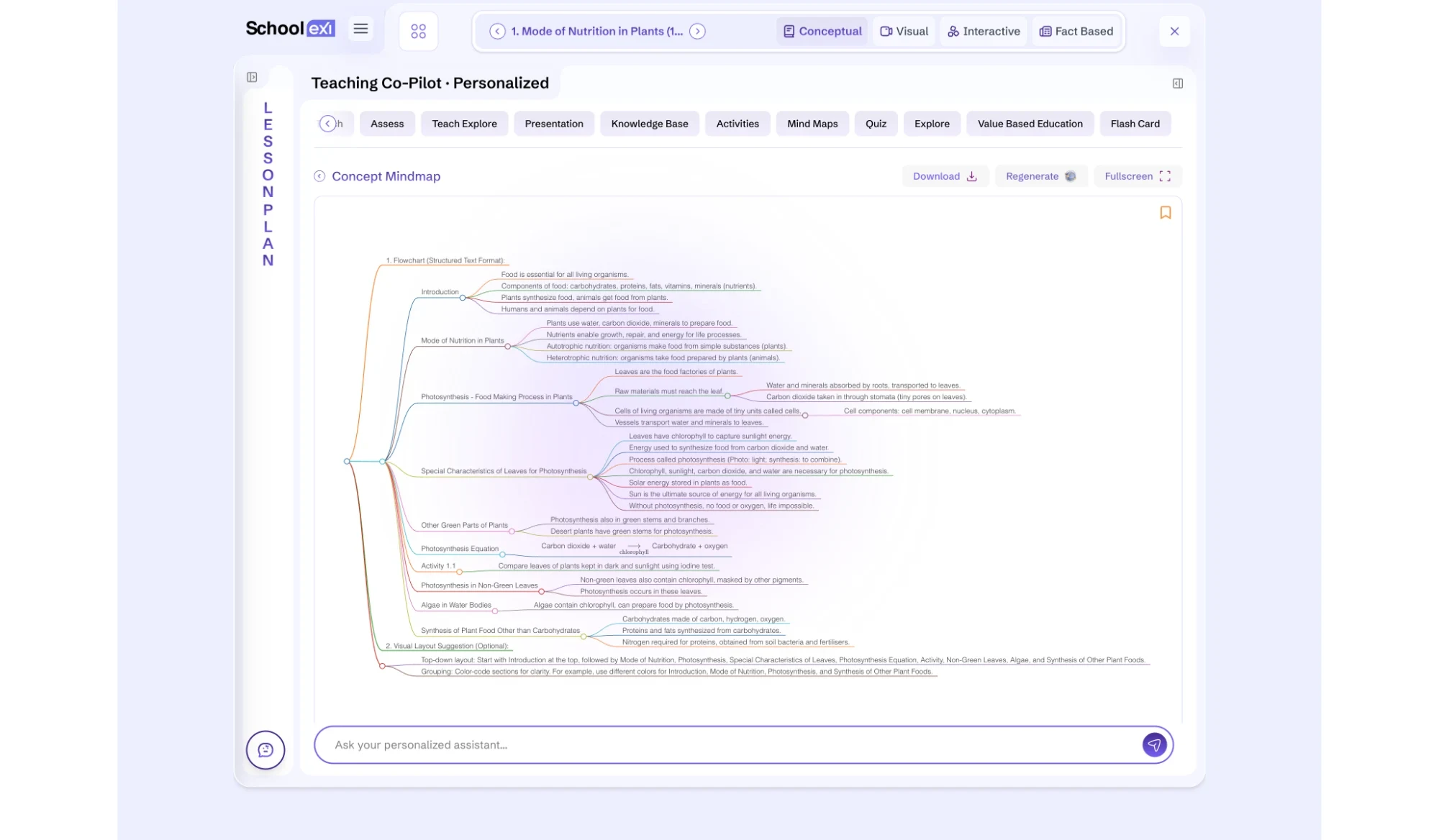
Teaching co-pilotThe map lives inside a co-pilot that also generates presentations, quizzes, flash cards and activities: different ways to render the same content. 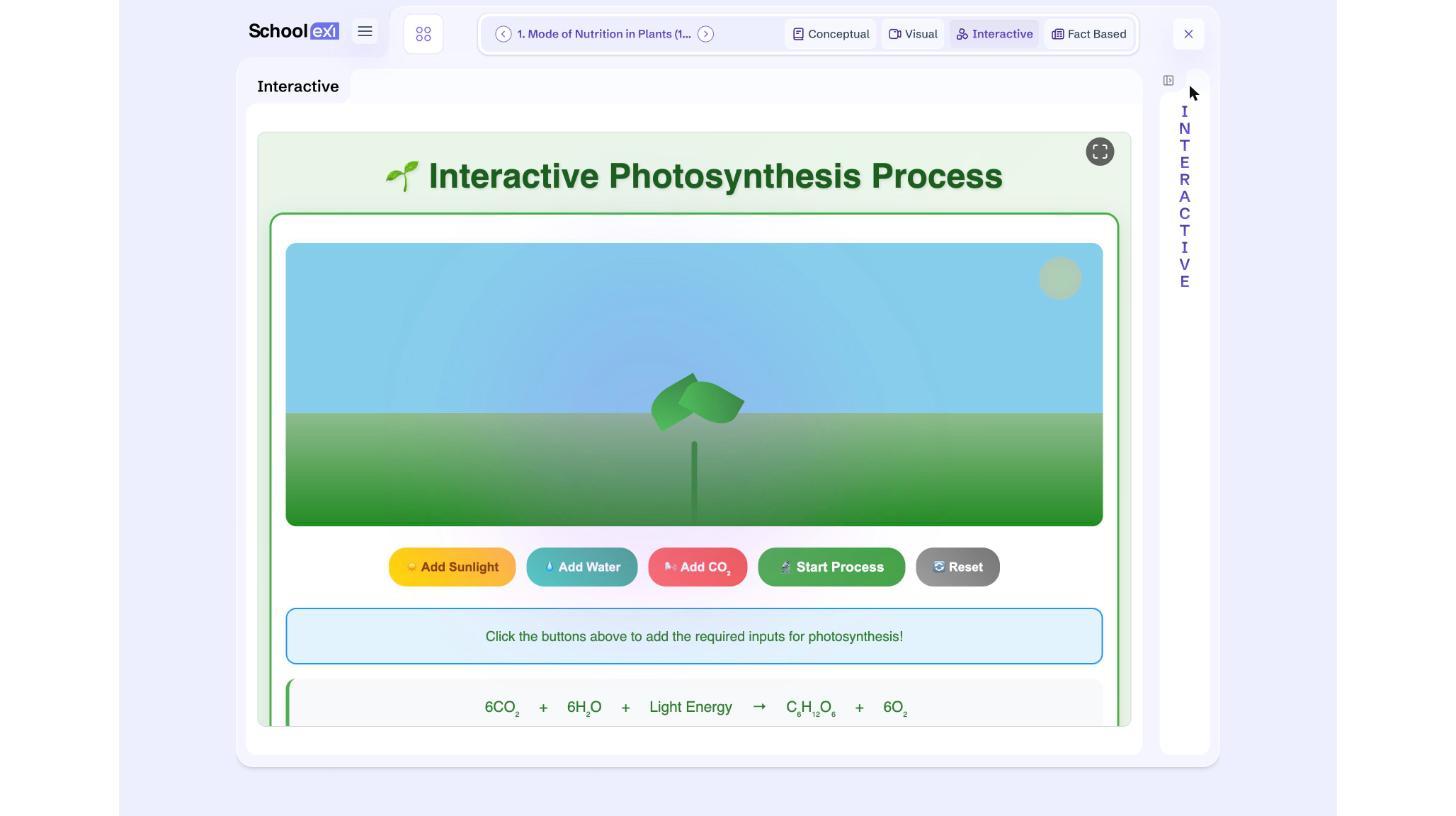
Interactive simulationAn interactive simulation where inputs drive a live, animated model of the concept. 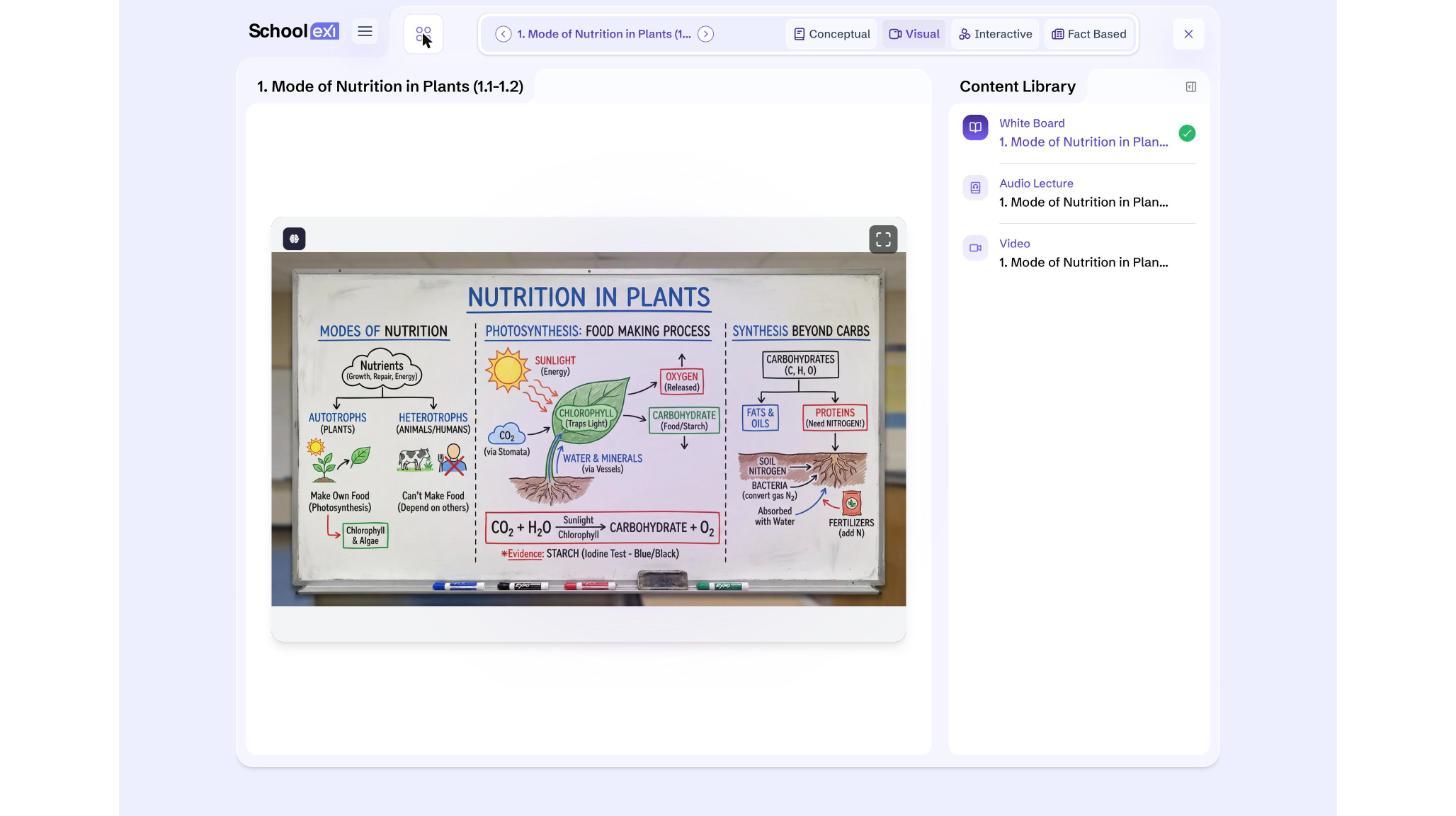
Visual explainerA data-rich concept whiteboard inside the AI teaching co-pilot. 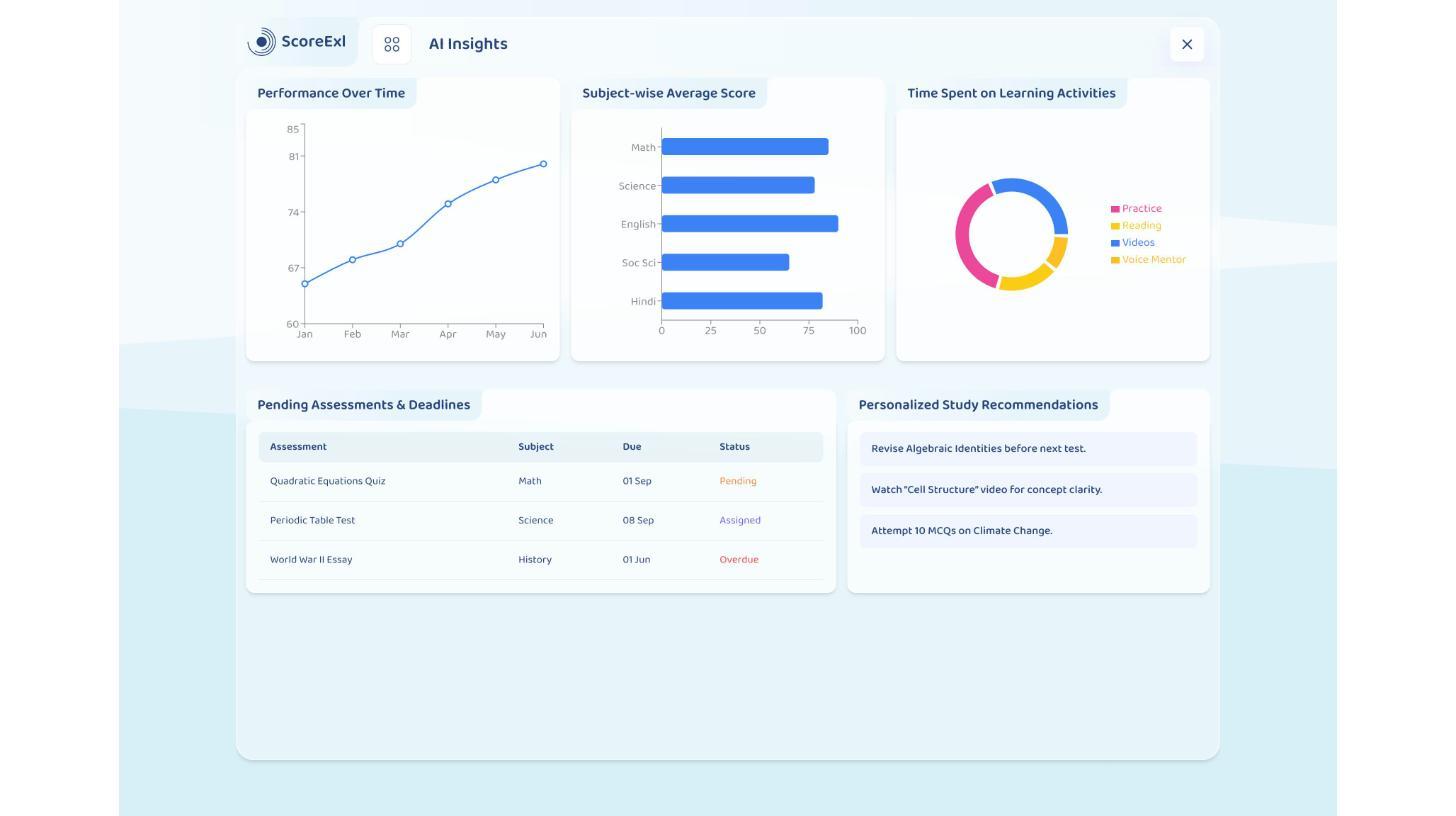
AI InsightsLearner analytics: performance over time, subject scores, an activity donut and a deadline table with status chips. 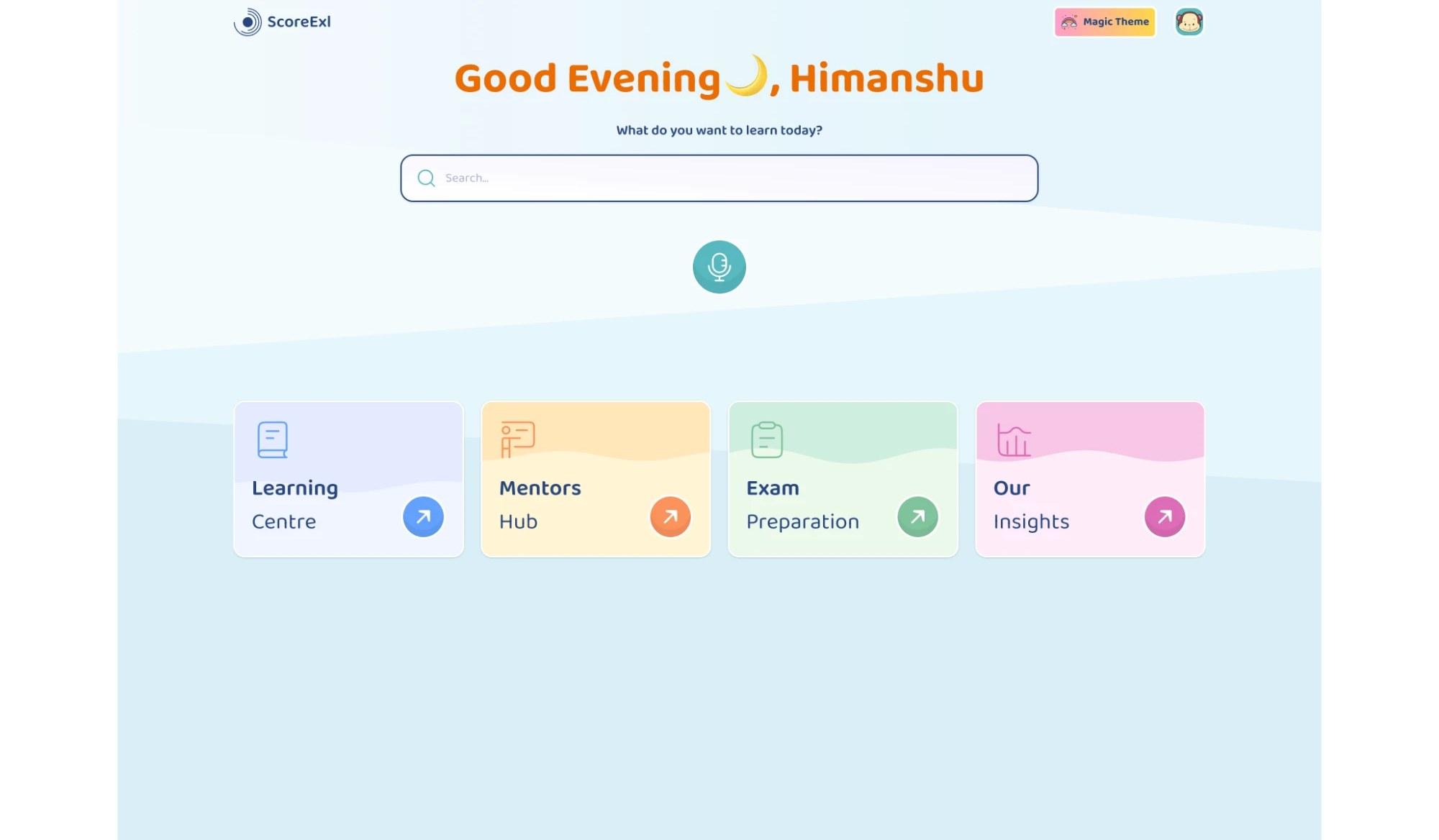
Theme: OceanThe UI runs on CSS design tokens, so one screen re-skins instantly. Ocean theme. 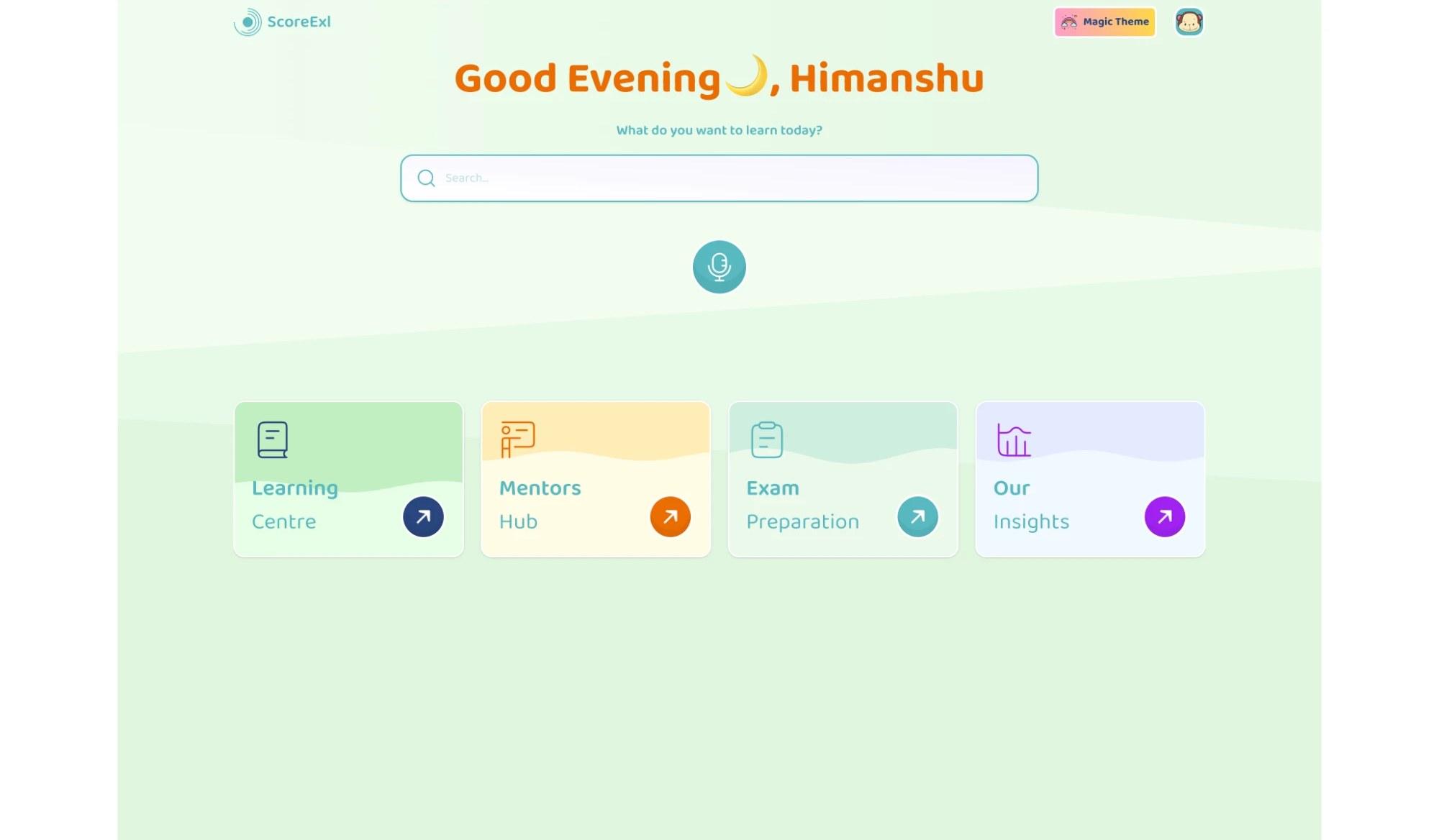
Theme: MintMint theme: same screen, same components. 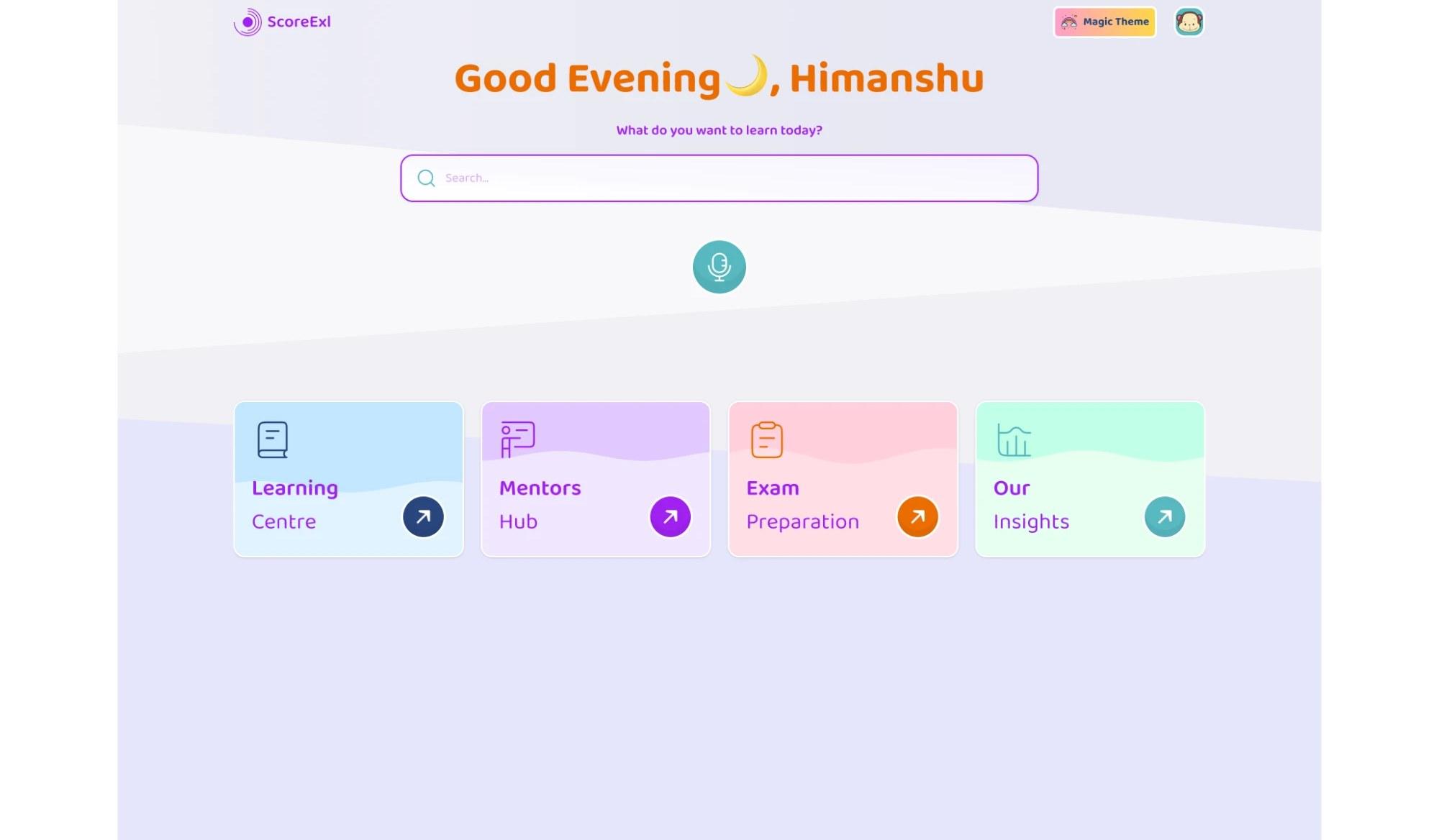
Theme: LavenderLavender theme: the token system carries colours, gradients and accents.
Engineering decisions
- 01
One integration layer, several surfaces
Chat, voice and assessment screens reach the models through a single layer, so streaming, conversation state and error handling are solved once instead of per screen.
- 02
A shared design system
Reusing one component set across four products keeps behaviour consistent (focus, loading, errors) and lets a new product start from finished primitives.
Stack
- Frontend
- React
- Next.js
- TypeScript
- AI
- LLM APIs (OpenAI, Anthropic)
- Streaming responses
- Voice AI
- Conversation state
- Delivery
- CI/CD
- Design system
next case study
HODL